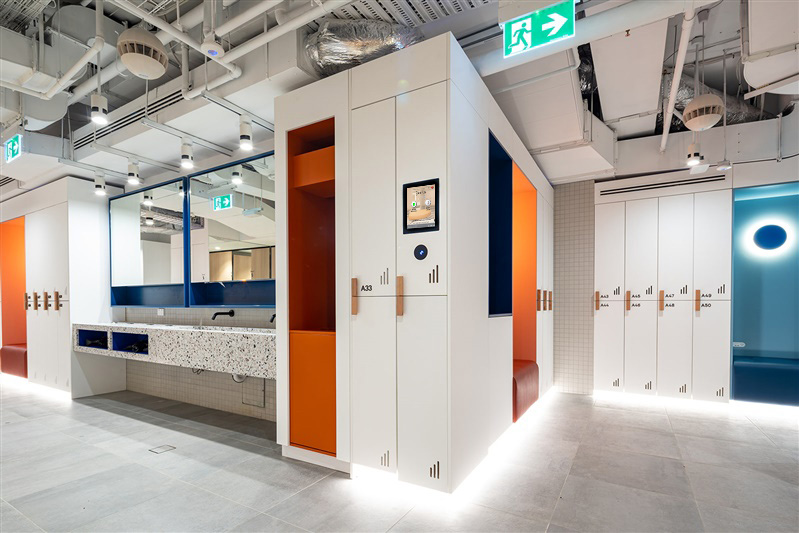
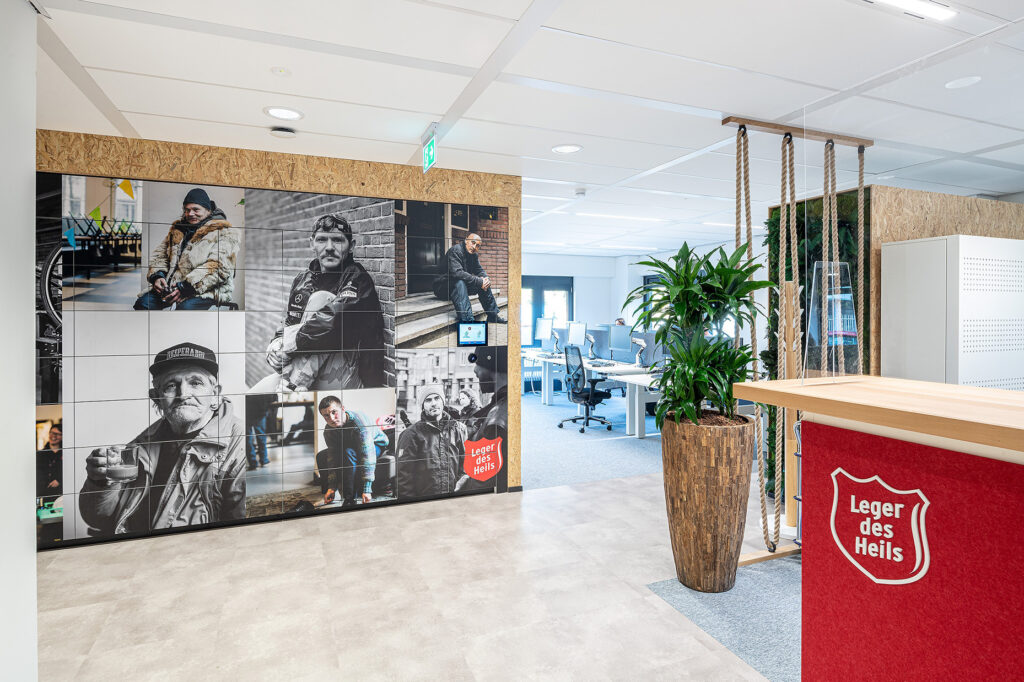
Stylization is the addition of artwork, plants, furnishings, accessories, textures, and other design elements to a space to make it more interesting.
Architecture alone cannot bring us into a space, but styling can. Stylization begins early in the design process and works hand in hand with architecture. It can’t just be an afterthought that’s added on at the end. Stylization has an emotional impact on people in ways that increase productivity, foster friendships, and improve mental health.
Design is sometimes art. Design is sometimes aesthetics. The fact that design is so simple is what makes it so hard.
These feelings of wonder and flow are mutually exclusive yet complimentary psychological states. Awe-inspiring design cues pique our interest and inspire appreciation, which promotes networking and sharing. On the other hand, design that encourages the flow state aids in our ability to concentrate, slow down, and reflect.
Stylization enhances a space in ways that go beyond architecture by bringing warmth and depth. Art, the natural world, and artifacts can either arouse feelings of amazement and awe that unite people or, on the other hand, they can arouse feelings of introspection and reflection.
Style is a function of experience. Curated environments greatly aid in supporting a concept or narrative. Stylization helps businesses link their internal and external audiences to a single idea or objective while also increasing brand awareness. Today’s ordinary person spends hours alone talking via technology in a world that is becoming more and more segregated and closed off. We need to breathe new life and warmth into our surroundings. Stylization should be used to add more joy.
“Happiness is a measure of how good we feel over time. But joy is about feeling good right now.”
Infusing personality into a room without overpowering the stimulus is known as styling. Balance, symmetry, and harmony are key concepts.
Stylization often incorporates four core components:
Artwork –to support the visual style of the entire design.
Objects and artifacts – that connect to the local history and culture.
Natural elements – (such as wood and plants) to bind the natural and artificial worlds together.
Experiential design and graphics– to instill a favorable attitude toward a workplace.
People who feel more at ease and in control of their surroundings are typically happier and more engaged.